Degradê
Bruno Pacheco, Willem Weismann, Titania Seidl
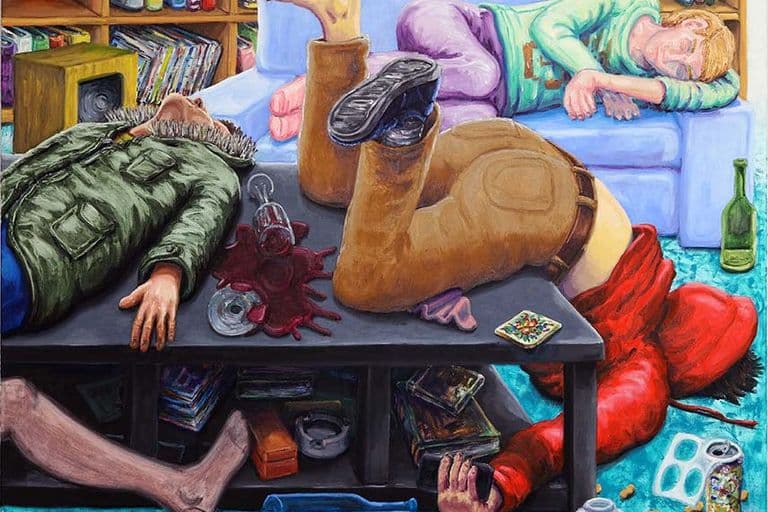
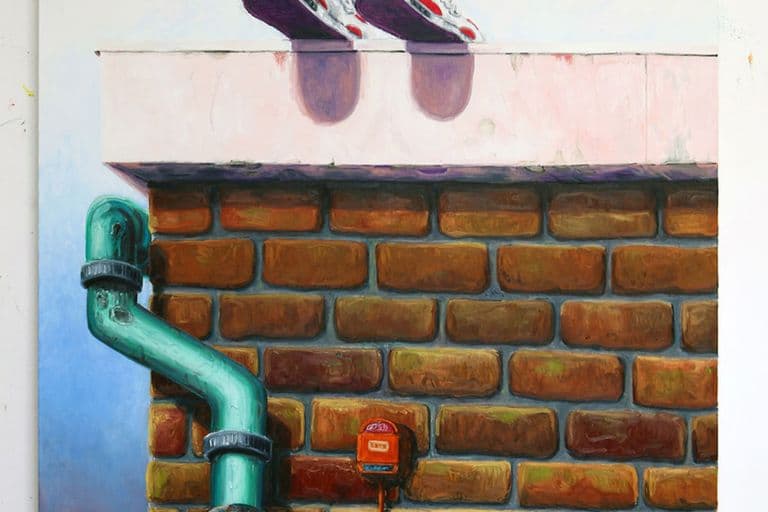
It is from a contemporary world characterized by excess and waste that Willem Weismann draws the subject matter for his work in painting. Environments, buildings, characters, events and objects are elements that appear on the canvases, combined in a fragmented way and rendered in strong colours. Rather than represent a reality, the artist creates narratives where characters and objects have no relation with the context from which they were removed.
The paintings of Willem Weismann, who began exhibiting in 2001, can be considered as a kind of archaeology of contemporary society and human progress, drawing attention to its material manifestations, rescuing them from oblivion.
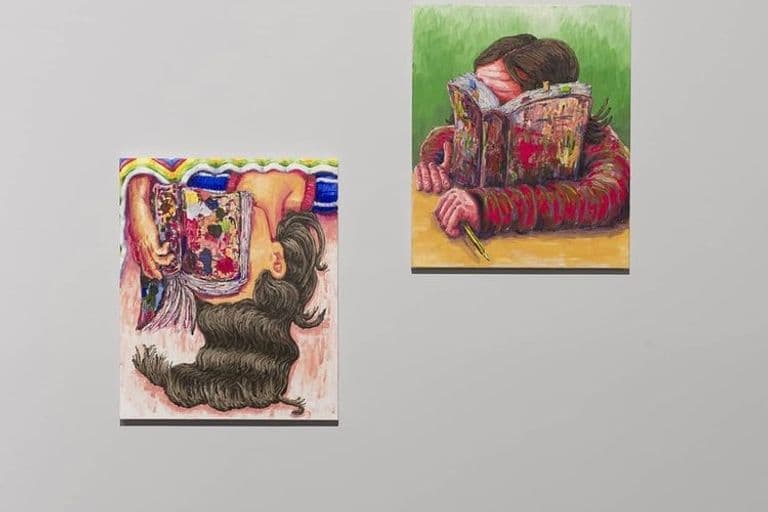
There is also a form of economy in the work of the artist, who includes in painting elements from the work process itself. All is integrated in the composition, the canvas is used as palette, remnants of paint and marks of cleaned brushes accumulate on the surface of the work.
Bruno Pacheco, Willem Weismann, Titania Seidl
Musa paradisiaca, Willem Weismann, Ernesto de Sousa, Titania Seidl, Rita Ruby

Willem Weismann
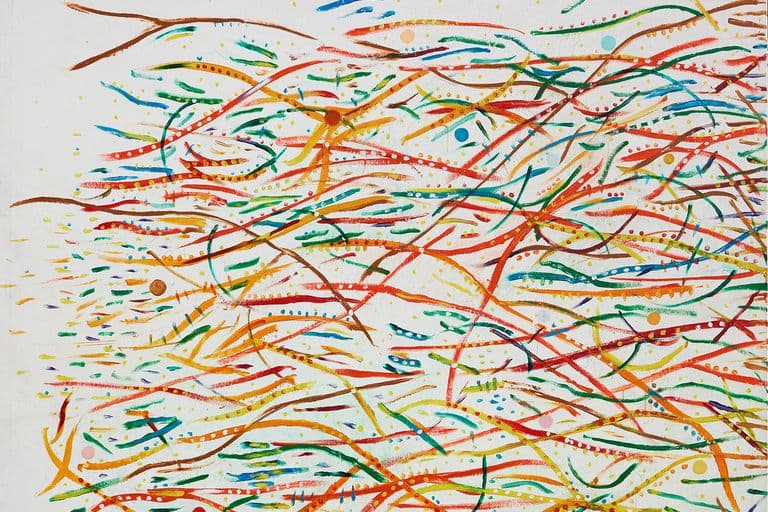
Luísa Jacinto, Titania Seidl, Musa paradisiaca, Ferràn Garcia Sevilla, Francisco Tropa, Willem Weismann
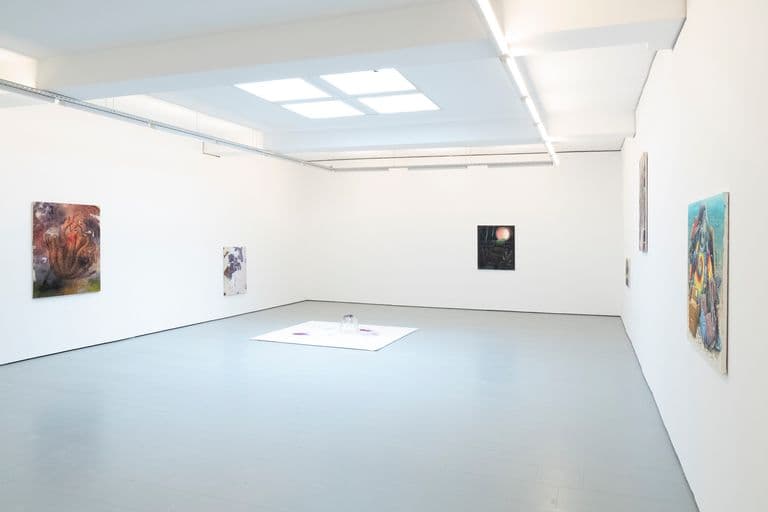
Willem Weismann, Hugo Canoilas
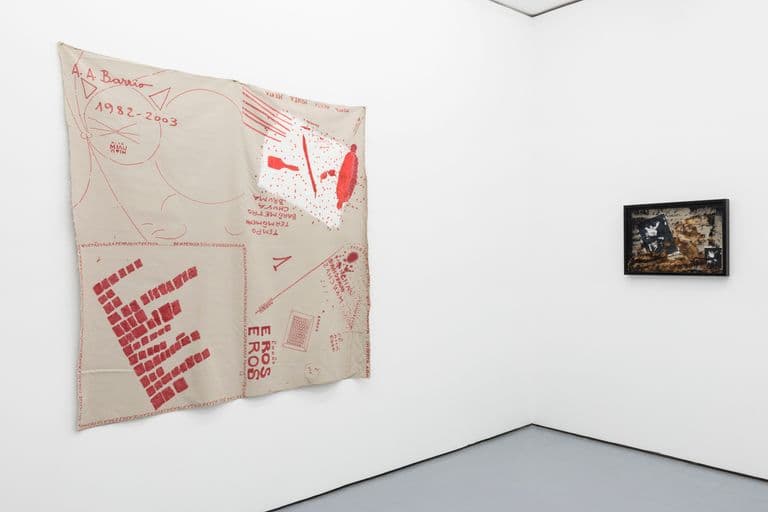
Artur Barrio, Willem Weismann, Hugo Canoilas

Willem Weismann
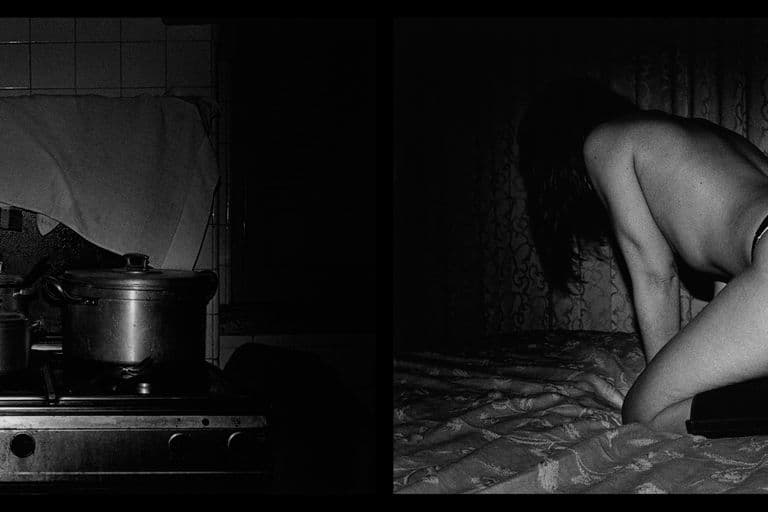
Rigo 23, Kevin van Braak, Hugo Canoilas, Heinz Peter Knes, Paulo Nozolino, Mika Tajima, Francisco Tropa, Willem Weismann
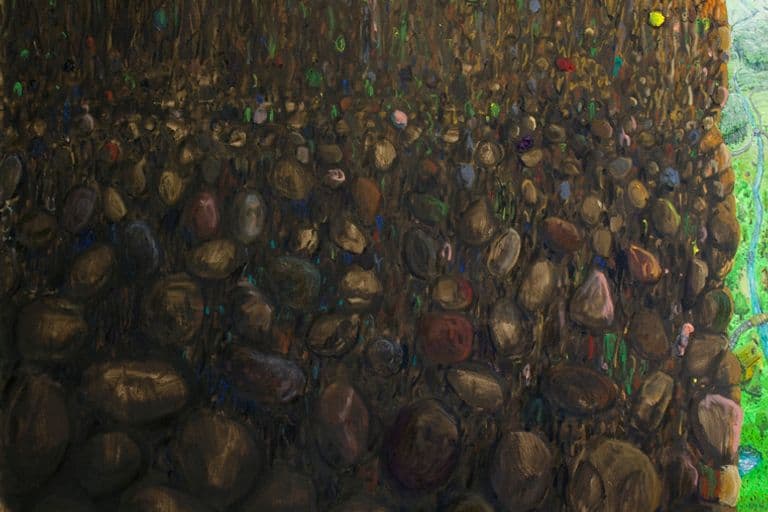
Willem Weismann

Susana Mendes Silva, António Bolota, Zulmiro de Carvalho, Alexandre Estrela, Fernando Lanhas, Candice Lin, João Queiroz, Isabel Ribeiro, Arlindo Silva, Ângelo de Sousa, Sérgio Taborda, Pedro Tropa, Willem Weismann, Christine Fowler